Maltese Dog

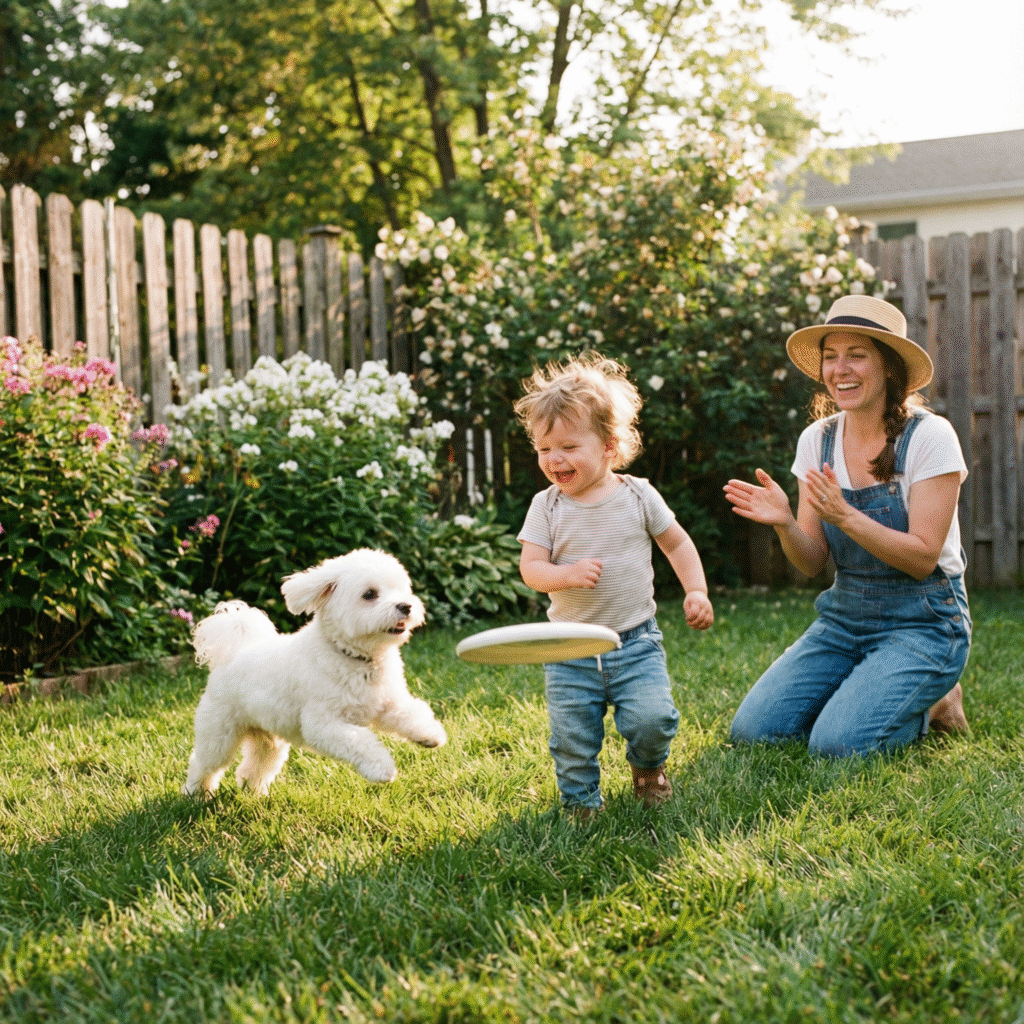
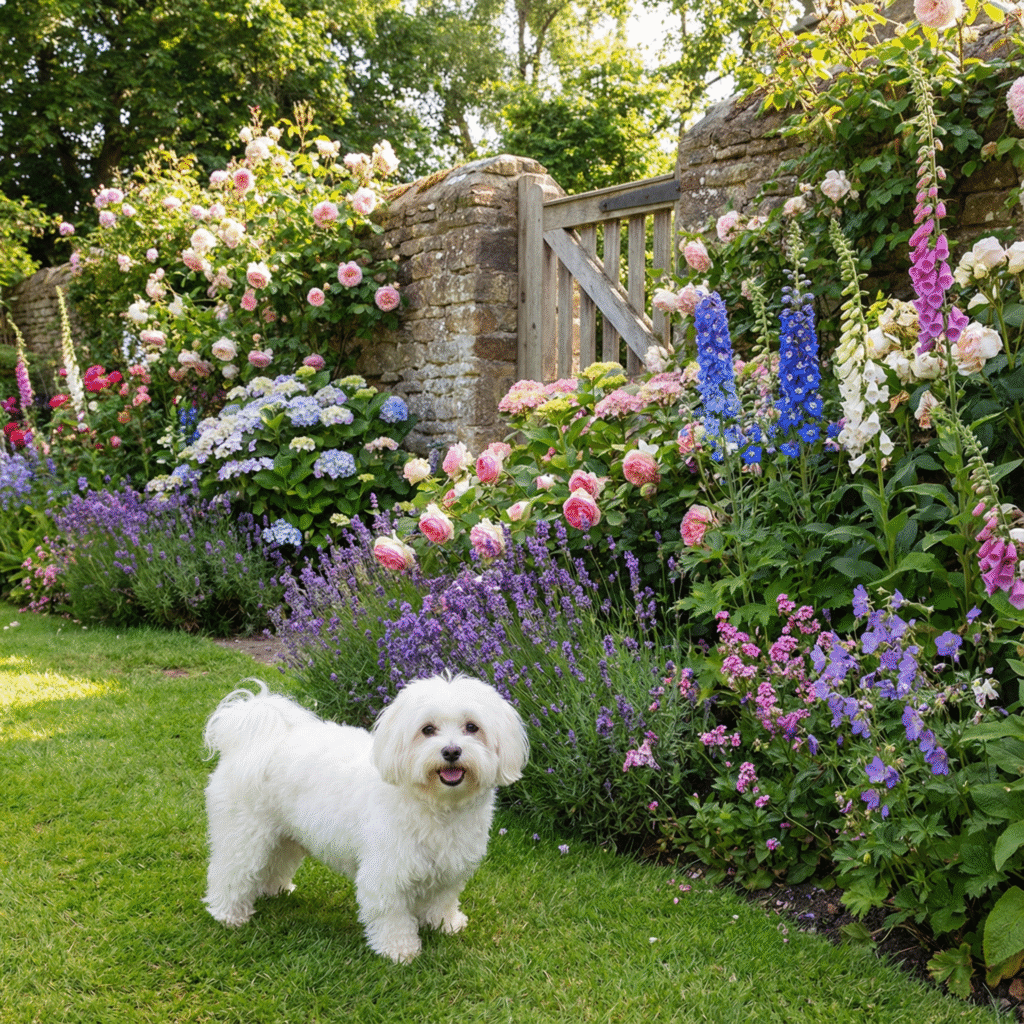
When we think of a Maltese dog, the image of a fluffy white bundle of joy often comes to mind. Known for its iconic silky white coat and lively demeanor, the Maltese isn’t just a cute face—it’s a breed steeped in fascinating history. This charming companion has been cherished through the ages, tracing its roots back to as far as 3000 years ago. Originating from the Mediterranean island of Malta, these dogs were adored by ancient civilizations for their beauty and companionship.

Many historical figures could not resist the allure of the Maltese. From the rich and powerful to the artistic and influential, the breed found its place in the laps of royalty and celebrities alike. Perhaps you’ve heard tales of the Maltese being depicted in Roman art or mentioned in classical literature. Even the likes of Queen Elizabeth I and Queen Victoria were lovers of these adorable dogs, spinning a legacy of regal charm and trust.

The Maltese has weaved its way through history, maintaining its status as a symbol of elegance and companionship. Unlike some breeds that fade into obscurity, the Maltese has held a steady place in people’s hearts around the globe. Thanks to their unwavering popularity, these tiny dogs have endured as a beloved breed, adapting effortlessly to the changing times without losing their endearing sparkle. Now, they continue to charm their way into modern homes, leaving paw prints on the pages of so many lives.

Discovering the Maltese Personality: More than Just a Lapdog

Picture a Maltese and what might first spring to mind is that they’re lapdogs meant for just cuddles. While they’re indeed fond of lounging in your lap, their personality is much more dynamic. These little furballs are bundles of energy and spunk, always ready to turn your home into their personal playground.

A Maltese brings affection and loyalty in spades, quickly becoming a family favorite. They’re known for their playful and friendly demeanor, making them ideal companions for households with kids or other pets. Whether it’s playing fetch or performing a little happy dance when you return home, their zest for life is contagious.

Now, about training—Maltese dogs are clever and trainable, but they have a streak of independence. Consistency and patience are your best friends when teaching them new tricks or setting boundaries. Housebreaking might take a bit of work, but with some dedication, your furry buddy will get the hang of it.

Socialization is super important too. Exposing your Maltese to different environments and experiences, especially when they’re puppies, ensures they grow into well-adjusted adult dogs. It helps curb their tendency to be a bit reserved or wary of strangers.

Some folks think Maltese dogs are stubborn or yappy, but it often boils down to misunderstanding their behavior. They’re just eager to express themselves, whether it’s a bark of excitement or alerting you to something unusual. Learning to interpret their actions can help you respond positively, promoting good behavior.

Maltese Care 101: Ensuring Your Pet’s Wellbeing

The Maltese is not just charming; it’s also a breed that requires some special care to keep them at their finest. Let’s tackle that iconic silky coat first. With all that fluff, regular grooming is key. Daily brushing helps prevent tangles and keeps their coat looking pristine, reducing shedding and keeping them comfortable. A trip to a professional groomer every six to eight weeks will maintain the perfect length and style.

Diet is another cornerstone of Maltese care. These little guys have specific nutritional needs! High-quality dog food suited for small breeds ensures they get all the essential nutrients without unnecessary fillers. Portion control is critical to keep their weight in check, as an overweight Maltese can develop health issues.

Even though the Maltese is a small breed, they need their daily dose of exercise to stay healthy and happy. Short, enjoyable walks or even a play session in the living room can meet their energy needs. What’s great is that their petite size makes them adaptable to indoor exercise if the weather’s not cooperative.

Dental care is often overlooked but vital for the Maltese. They’re prone to dental issues, so regular brushing of their teeth is a must. Consider incorporating dental treats or chews to help keep their pearly whites in good shape. Don’t forget to schedule regular vet check-ups to catch any potential issues early on and keep your furry friend in tip-top shape.

The Maltese in the Modern World: Adapting to Urban Lifestyles

Living in a bustling urban environment? No problem for the adaptable Maltese! These little dogs are perfect for city life, thriving in apartments and crowded areas without missing a beat. Their small size and love for human companionship mean they feel right at home even in tight spaces.

One of the best perks of having a Maltese in a city is their low exercise requirement. A couple of short walks in the neighborhood or a fun play session indoors can keep them content. Plus, they enjoy social interactions, so taking them to meet neighbors or friends in the dog park can be both fun and beneficial for their social skills.

Apartment living might bring noise and distractions, but the Maltese has a knack for handling them with a laid-back attitude. To keep them calm and happy around potential triggers like loud traffic or people, creating a cozy, quiet corner in your home can be a real gift for them.

The experiences of other Maltese owners prove just how well these dogs adjust to city life. Stories abound of Maltese forming close bonds with everyone from young professionals to elderly retirees, proving again and again how enriching and adaptable they are in different lifestyles. If you’re wondering if a Maltese would fit your city lifestyle, these accounts are a testament to their resilience and charm.
Miniature Poodle

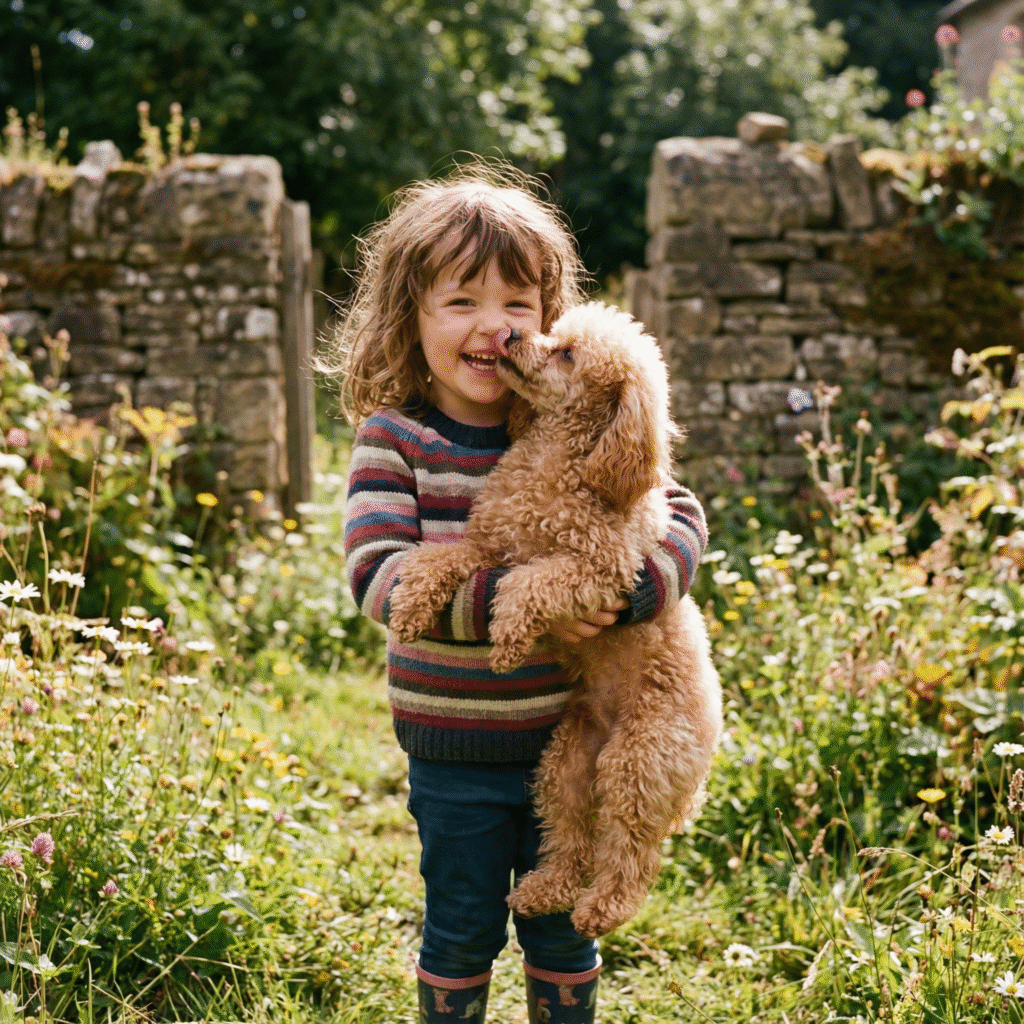
Miniature Poodles are like the Goldilocks of the Poodle world—just right in size, personality, and intelligence. Originally bred in Germany as hunting dogs, they truly shine in their current roles as loyal companions. It’s fascinating how they fit perfectly between their Standard and Toy counterparts, offering a perfect balance of energy and refinement.

These little dynamos stand about 11 to 15 inches tall and weigh in the range of 10 to 15 pounds, making them the ideal size for both apartment living and larger homes. With a lifespan of 14 to 16 years, they promise long-lasting companionship. Their coated layers may require some grooming work, but boy, aren’t they worth it for that posh look!

What really makes Miniature Poodles stand out is their uncommon blend of smarts and flair. On the intelligence scale, they rank near the top and are quick learners—which makes teaching them a new trick more enjoyable than wrangling a bowl of Jell-O! This sharpness also means they thrive off activities that challenge both body and mind.

These aren’t just dogs—they’re true family members. Perfect for kids, adults, and even seniors, they vibe with anyone who can match their playful and affectionate nature. Add the fact that they’re hypoallergenic, and you’ve got a little buddy who’s both adorable and practical for families dealing with allergies. So, whether you’re looking for a jogging buddy or a lap warmer, the Miniature Poodle’s got your back.

Caring for Your Miniature Poodle: Essential Tips and Tricks

Taking care of a Miniature Poodle is all about balancing their particular grooming needs with a bit of loving attention. With that plush, curly coat, regular grooming becomes a priority to keep them looking dapper. This means brushing a few times a week to avoid tangles and scheduling a professional groomer for a tidy trim every six to eight weeks.

When it comes to meals, these little ones have appetites that require nutritious, balanced diets to fuel their energetic lifestyle. High-quality dog food that matches their age, size, and activity level is essential. They might have a hard time resisting those puppy dog eyes, but being mindful of portion sizes helps keep them in perfect shape. Adding omega-3s for coat health is a neat trick, too!

Exercise is key, but it’s not about running marathons. Think of daily walks mixed with some spirited playtime in the backyard or a dog park—enough to keep them engaged without overdoing it. Their keen intelligence thrives on activities that offer a mental workout. Puzzle toys or agility games can be great for keeping their neurons buzzing.

Health check-ups need their spot on the calendar. Regular vet visits help ensure they stay in tip-top shape, keeping an eye on potential issues like ear infections or dental concerns, which are common in smaller breeds. Plan those vaccinations and routine examinations to dodge any sneaky health issues. It’s all part of helping them enjoy a long, happy life by your side.

Miniature Poodles and Their Interaction with Humans: Building Lasting Bonds

Miniature Poodles bring a unique spark to any household with their friendly and affectionate natures. These pups aren’t just cuddly sweethearts; they’re perceptive family members who can sense your mood and respond with comforting snuggles or playful antics to lift your spirits.

Training a Miniature Poodle often feels like working with a highly motivated student who’s eager to impress. Positive reinforcement techniques, like treats and praise, motivate them to learn everything from basic commands to complex tricks. Their intelligence is a real superpower, making training both rewarding and fun. Consistency is key, ensuring that they know what’s expected and feel secure in their role within the family.

Socializing your Miniature Poodle early is like giving them the social toolkit they’ll need to navigate the world. Introduce them to a range of people, pets, and environments so they grow into well-rounded adults. A confident Poodle is a happy Poodle, well-equipped to handle various situations without stress or fearfulness.

I’ve heard countless stories of these amazing dogs forming close bonds that go beyond companionship. Whether it’s helping children with special needs, offering emotional support, or just being that reliable presence in everyday life, Miniature Poodles bring warmth and stability. They’re not just pets; they’re partners who make family life richer and more joyful.

Finding and Choosing the Right Miniature Poodle for You

Choosing the perfect Miniature Poodle means aligning a few puzzle pieces just right. It starts with deciding between adopting and buying. Whether you’re sourcing from a breeder or a rescue organization, going for one with a solid reputation ensures you’re bringing home a healthy, happy pup. Always ask questions about their breeding practices and health checks or, if adopting, about the dog’s background and behavior assessments.

Adoption can be a truly rewarding journey. You’re not just adding a family member; you’re offering a second chance to a dog in need. Many rescue groups have Miniature Poodles waiting for their forever homes, showcasing every bit of charm and love you’d expect from this delightful breed.

Before the new poodle steps through your door, it’s crucial to prepare your space. Think comfy beds, chew toys to keep them entertained, and a designated place for meals. Preparing your household—walking schedules and household ground rules—also sets everyone up for success.

That new pup’s first days at home can be an emotional rollercoaster. A loving, patient approach as they adjust to their new surroundings will make a world of difference. Be prepared to offer plenty of reassurance, because the transition might take time. But with each tail wag and happy bark, you and your Miniature Poodle will build a friendship that’ll enrich your life for years to come.

Goldendoodle

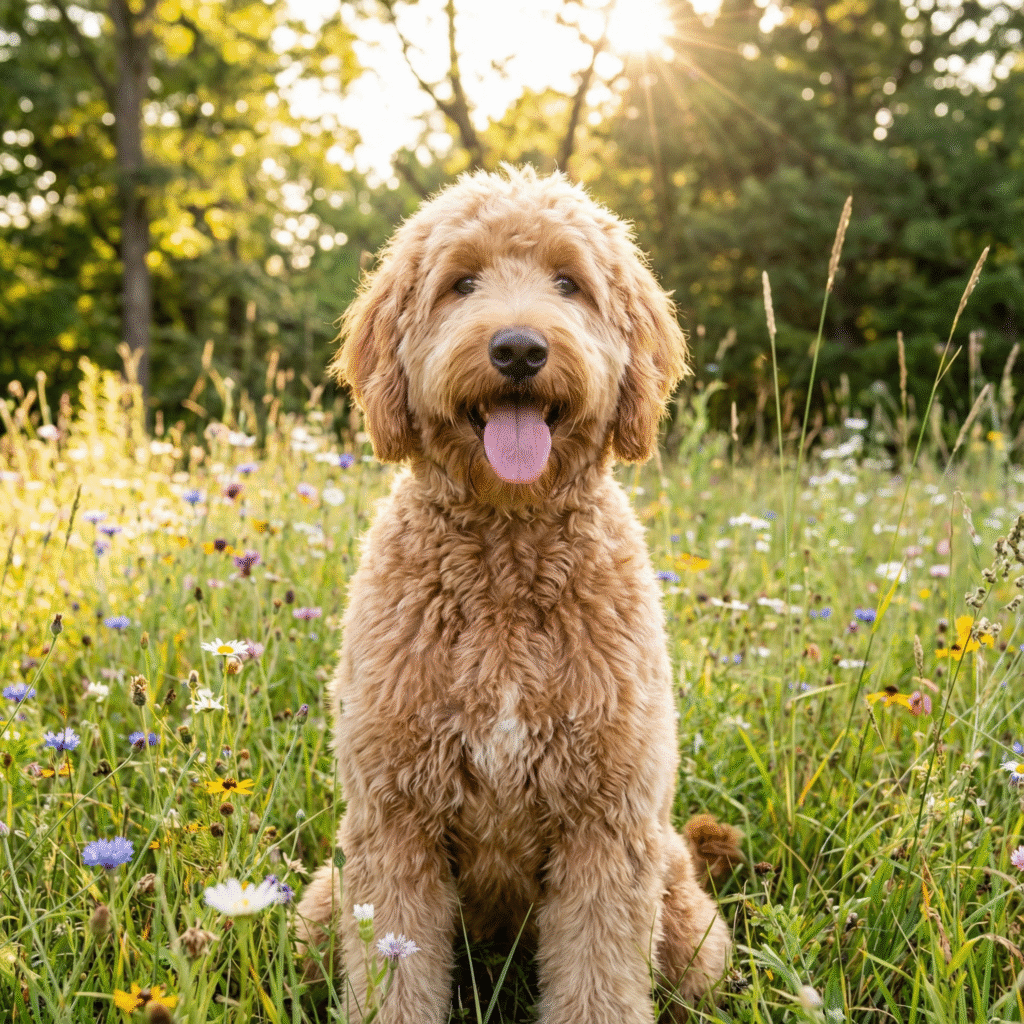
Let’s chat about one of the friendliest dog breeds around, the Goldendoodle. This fluffy ball of joy is a cross between a Golden Retriever and a Poodle. Originated in North America and Australia during the 1990s, these dogs quickly became popular for their gentle temperaments and minimal shedding.

Goldendoodles are designed to be the perfect low-allergy guide dog with that friendly nature, combining the best of both worlds from their parent breeds. Originally, the idea was to have a dog that could offer the same lovable qualities as a Golden Retriever but with the high intelligence and hypoallergenic coat of a Poodle. It feels like they managed to hit the jackpot there, giving us a dog that’s affectionately smart and gets along with almost everyone.

When you meet a Goldendoodle, their vibrant looks catch your eye. These pups can have a range of appearances depending on the mix of genes they inherit. You’ll spot these pups sporting coats that range from curly to wavy, and in colors from golden to cream, black, and even apricot. Often, they have that adorable teddy bear appearance that’s hard to resist, right?

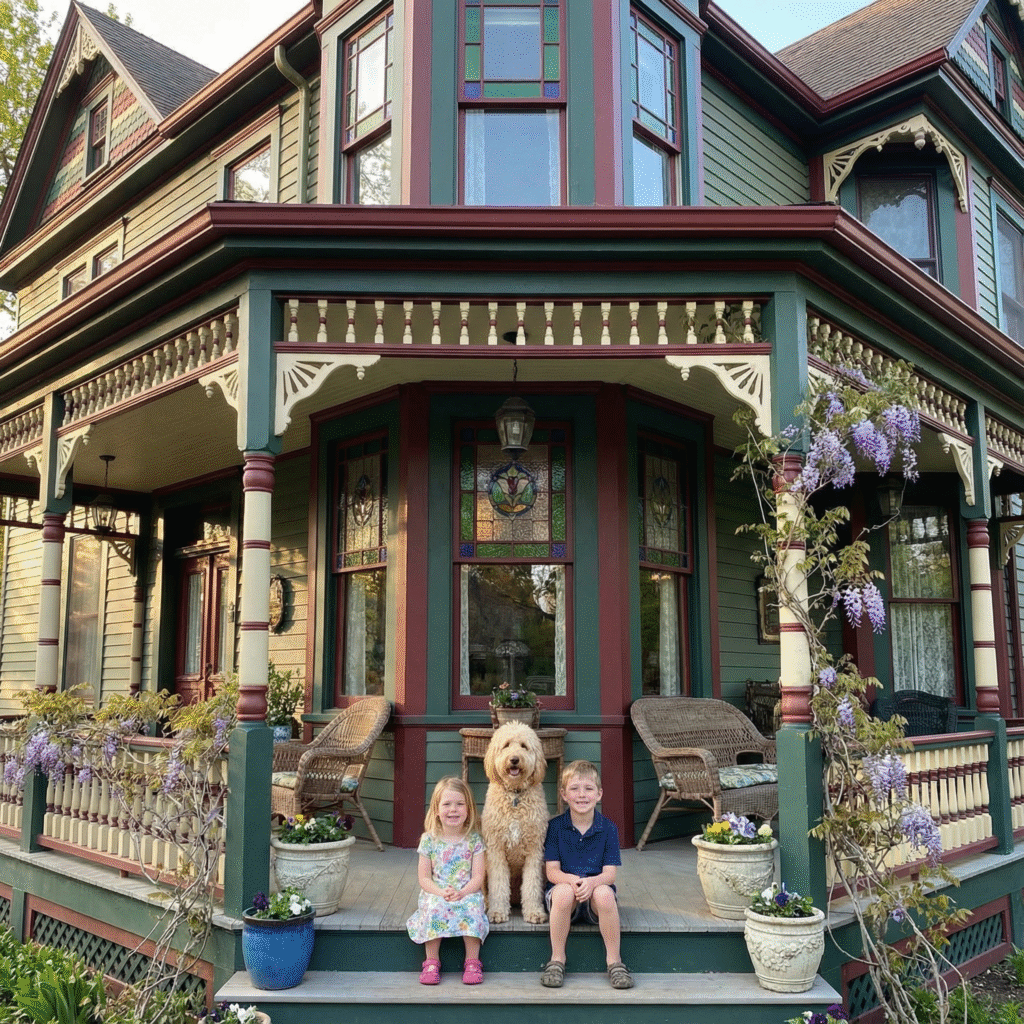
What’s even more charming about these dogs, though, isn’t just their look but their sparkling personality. They’re known for being social, great with kids, and eager to please. Goldendoodles tend to bond closely with their families and can be quite the goofballs, always ready to participate in any activity or cuddle session. Whether they’re running around at a park or napping at your feet, their enthusiastic presence brings joy everywhere they bounce.

Choosing a Goldendoodle: Insights for Prospective Owners

Thinking about bringing a Goldendoodle into your home? Exciting times ahead! These charming dogs can be the perfect addition to many types of households. But, like any decision to add a pet family member, there are key things to keep in mind.

First up, consider the size. Goldendoodles aren’t one-size-fits-all. You’ve got choices between mini, medium, and standard sizes, so think about how much space you have and what fits your lifestyle best. Mini Goldendoodles are perfect for city apartments, while a standard might need a bigger backyard to romp around in.

Another important aspect is their coat. There’s a variety here too – from the fluffier Poodle-like curls to the straighter Golden Retriever style. This affects how much grooming they’ll need, so if you love a good grooming session, maybe go for the curlier type. Otherwise, a lighter wave might be a better fit.

Be aware of possible health issues as well. Like all breeds, Goldendoodles can have their share of genetic health concerns. Keeping an eye on their health will ensure they live long, happy lives. Regular check-ups with your vet can catch any issues early, and it’s always a good idea to ask breeders about the genetic testing for their breeding dogs.

Speaking of breeders, choosing the right one makes a world of difference. Good breeders care deeply about the health and temperament of their puppies. Do some legwork – ask questions, check for reviews, and visit if possible. It can really give you peace of mind knowing your pup comes from a loving and ethical background.

Caring for Your Goldendoodle: A Guide to Health & Well-being

Once you’ve got your Goldendoodle, the real fun begins! But along with all the cuddles and playtime, you’ll need to make sure your furry friend stays in tip-top shape. There are a few basics that go a long way in ensuring your pet’s health and happiness.

Training is a biggie. Goldendoodles are quick learners, so take advantage of their smarts while they’re young. Positive reinforcement works like a charm with these dogs. Keep it fun, and you’ll have a well-behaved companion in no time. Starting early with socialization can also help them be comfortable around other pets and humans.

When it comes to grooming, these pooches might need a bit of attention. Regular brushing helps keep their coat looking fab and prevents tangles. A visit to the groomer every month or so is a good idea too, especially for those with curlier hair. And don’t forget about those teeth—dental care is just as important for dogs as it is for us; invest in some good dog toothpaste and brush routinely.

Nutrition is another crucial part of caring for your Goldendoodle. They burn lots of energy, especially when they zoom around the yard, so a balanced diet filled with quality proteins and nutrients is essential. Talk to your vet about what food works best for your dog’s size and activity level.

On the topic of health, being proactive with veterinary care is key. Routine check-ups can help catch issues early. Keep an eye out for signs of common problems like hip dysplasia or allergies. And while it’s easy to panic when you spot something unusual, a quick chat with your vet can often put worries to rest.

The Goldendoodle Lifestyle: Enriching Experiences for a Happy Pet

Life with a Goldendoodle is full of energy and companionship, and creating a fulfilling lifestyle for them is pretty rewarding. These pups thrive with activities that challenge both their bodies and minds. Keeping them busy is the secret sauce to keeping that tail wagging.

Interactive play is where Goldendoodles shine. Games like fetch or a good old tug-of-war can burn off that endless energy they seem to have. Engaging in regular playtime is not just great exercise; it’s a chance to strengthen the bond with your furry buddy.

Don’t forget about the importance of socializing them regularly. Whether it’s a trip to the local dog park or playdates with neighborhood dogs, these experiences help them become well-rounded and friendly in any setting. Plus, those outings are a golden opportunity for you to meet other dog lovers!

Traveling with a Goldendoodle can be a blast. They often enjoy exploring new places and meeting new people, so pack up some essentials and they’ll be good to go for a weekend trip or a dog-friendly vacation. Always double-check that wherever you’re headed is welcome for dogs to ensure a smooth experience.

When it comes to living conditions, you’ll find Goldendoodles quite adaptable. Whether in a bustling city apartment or a spacious countryside home, they just need enough activity and love to feel at home. They love being part of the family action, so make sure they’re not left alone for too long.

Ultimately, the goal is a happy, healthy pup that feels like they’re part of the family. The bonds you create through shared activities and everyday interactions make all the difference in their contentment. After all, a Goldendoodle’s greatest joy is just being by your side, making all those moments count.

Amazon Associate receives compensation for qualified purchases

Shop

Brussels Griffon

The journey of the Brussels Griffon starts way back in Belgium. These little charmers originally worked as rat catchers in stables, proving their smarts and agility from day one. With those roots, it’s no surprise they climbed their way to aristocrats’ laps and hearts, making them popular companion dogs in Europe.

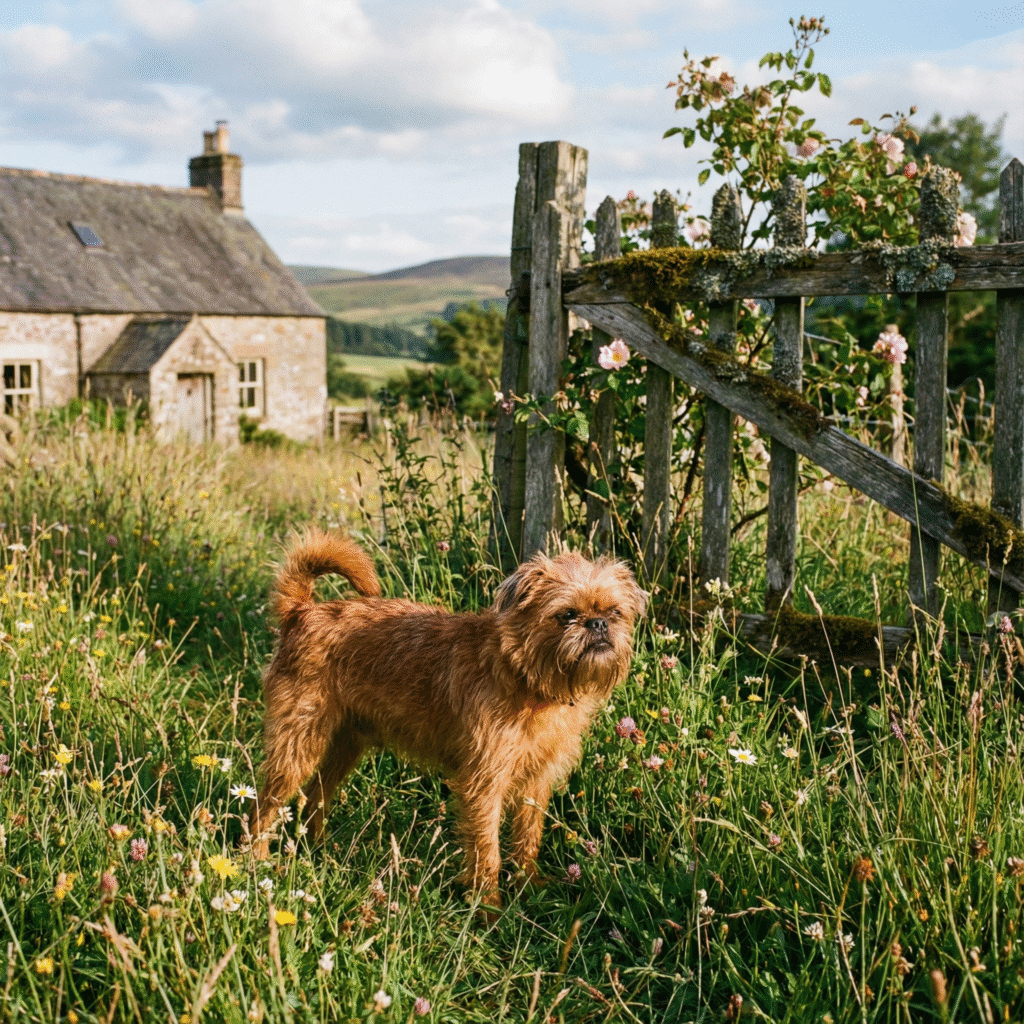
A Brussels Griffon doesn’t just look like any other dog; its unique features are part of its charm. You’re looking at a canine with a flat face, soulful eyes that have a knack for expressing a full range of emotions, and a perky upturned nose. Whether rocking a rough coat that gives off a wise, worldly look or a smooth coat that screams sleek and sharp, these dogs stand out in a crowd.

The breed standard paints a picture of the perfect Brussels Griffon: small, square, and full of character. Typically weighing between 8 to 12 pounds, these dogs pack a lot of personality into their small frames. Their walks aren’t just a walk, it’s more of a strut with an air of confidence and curiosity. The rough-coat types have that characteristic scruffy charm, while the smooth-coats bring a different kind of elegance. Understanding these standards gives a glimpse into why they steal the show at dog competitions.

The Perfect Companion: Personality and Temperament

Imagine having a little shadow following you around the house—that’s your Brussels Griffon. They’re famously affectionate, often forming almost human-like attachments to their favorite person. If you’re their chosen one, get ready for tons of love and endless loyalty.

Socialization is key to raising a happy, confident Griffon. Regular interactions with different people, places, and pets keep them well-rounded and prevent unnecessary shyness or aggression. Puppy socialization classes can be a great start, and don’t forget to make these encounters fun and positive—they’ll love it and you’ll appreciate their easy-going nature later.

These dogs have brains as big as their hearts, making them curious and eager to learn. They enjoy puzzles, tricks, and any game that keeps their minds active, so puzzle toys or a homemade treasure hunt can be perfect activities. Skip the boredom and keep things fresh and exciting for them and you’ll have a content little companion.

Even with their intelligence, Brussels Griffons are not couch potatoes. They thrive with interactive play sessions and daily walks. This combo keeps their adventurous spirit and sharp mind in tip-top shape.

Caring for Your Brussels Griffon: Health and Nutrition

Brussels Griffons are generally healthy, but like all breeds, they are prone to specific health conditions. It helps to be aware of common issues such as hip dysplasia, luxating patellas, and eye disorders. Regular vet check-ups and screenings can catch these early, ensuring a long, happy life for your furry friend.

Feeding your Griffon right is crucial. Their diet should be high in quality proteins and fats, with controlled portions to prevent obesity—supporting their energy levels and overall health. Whether you opt for commercial dog food or a home-prepped diet, keeping it balanced and vet-approved is the way to go.

Grooming is another essential part of their care. For rough-coated Griffons, regular brushing keeps their coats free from mats and looking tidy, while smooth-coated types need occasional brushing to manage shedding. Regardless of coat type, basic grooming like bathing, nail trimming, and ear cleaning is necessary to keep your Griffon in prime condition.

Training Your Brussels Griffon: Ensuring a Harmonious Life Together

Starting your Brussels Griffon’s training early sets the foundation for good behavior. Puppy classes can be a lifesaver, teaching essential commands and social skills that will make life smoother for you both. Patience and perseverance go a long way, given their sometimes stubborn streak.

Consistency makes training effective. Positive reinforcement works wonders with these smart little dogs. Reward with treats and praises, and watch them pick up new tricks and commands faster than you’d expect. Creating a routine where rewards are given for good behavior reinforces the behaviors you want.

Behavioral challenges can pop up, but they’re manageable. If your Griffon turns into a bark machine or tends to get anxious when alone, address it promptly with training techniques tailored to their temperament. Toys that engage them mentally or leave them doggy puzzles when alone can help ease separation anxiety.

Encouraging good manners means reinforcement of behaviors rather than punishment. Respectful training builds trust and solidifies the bond you share with your Griffon, making your lives together not only easier but more joyful.

Otterhound

Tucked away in the chronicles of hunting histories, the Otterhound stands as a remarkable breed with a past as rich as its distinctive coat. Emerging from Britain, this breed finds its roots in the medieval era, where it was bred for otter hunting. A mix of breeds like the now-extinct Southern Hound and maybe some French Griffons, the Otterhound is truly a dog of many tales.

For centuries, these remarkable dogs were crucial to the sport of otter hunting, especially when controlling the otter population in Britain’s waterways was a dire need to save fish stocks. Otterhounds used their keen sense of smell and swimming prowess to track otters, making them invaluable to hunters. Even when otter hunting was at its peak, these dogs showcased their versatility and intelligence, traits that still define them today.

But it’s not just about the hunt. Otterhounds have left paw prints across various aspects of culture and history. From royal hunting expeditions to being the subject of artwork and literature, they’ve been celebrated for their skills and charisma. Although their numbers have dwindled over the years, they remain a rare gem, sparking much interest and dedication from enthusiasts and historians alike.

These days, the Otterhound is something of a conservation icon, representing a slice of history that enthusiasts work tirelessly to preserve. Breeders and organizations worldwide are committed to protecting this breed from extinction. So, whether you’re a history buff or a dog lover, understanding the Otterhound’s past adds a layer of appreciation for this delightful and uncommon companion.

A Closer Look at the Otterhound’s Distinctive Physical Traits

Grab your notepads—the Otterhound is a breed brimming with unique attributes you won’t want to miss. Picture a dog that commands attention with its size alone. Towering on robust legs, these hounds can reach a height of up to 27 inches at the shoulder, making them a real-life gentle giant.

Their physical build isn’t just for show. Born for the water, Otterhounds boast a remarkable double coat. This special fur isn’t just lush—it insulates and protects against cold water, a vital trait for their historical river pursuits. Don’t shy away from that grooming brush, though. Regular grooming is key to keeping their coat free from tangles and looking its best.

And let’s not overlook those large, webbed feet. Tailor-made for swimming, these paws give Otterhounds a natural talent for the water, which was essential for their previous otter-chasing days. Their powerful tails act almost like rudders, giving them an edge when navigating through water.

Owning such an energetic hound comes with its need-to-know tips, like understanding their exercise requirements. Otterhounds are high-energy dogs that thrive on long walks, playful romps, and plenty of room to stretch those legs. Regular exercise isn’t just a recommendation; it’s a necessity to keep this spirited breed healthy and happy.

Personality and Behavior: What Makes the Otterhound Unique

Ever met a dog that’s both regal and playful? Meet the Otterhound. With a temperament likened to a gentle giant, these hounds are as friendly as they are laid-back, making them excellent companions for families and singles alike.

Training an Otterhound is where things get interesting. They’re smart, no doubt, but they’ve got a headstrong streak that calls for patience and consistency. Positive reinforcement and a bit of creativity go a long way in keeping their attention during training sessions.

Social butterflies of the canine world, Otterhounds thrive on interaction and aren’t too shy to show it. They’re generally good with kids and other animals, but their boisterous nature can sometimes be a bit much for very small children or more timid pets.

Every dog has quirks, and Otterhounds are no exception. Some might bay—a distinctive Otterhound vocalization—more than bark, offering character and hilarity in equal measure. Tackling behavioral issues often involves a combination of training, exercise, and sometimes consulting a professional dog trainer.

There’s never a dull moment with an Otterhound around. Their charming personality and unique behaviors ensure they steal the spotlight wherever they go, making them a truly special breed to share your life with.

Living with an Otterhound: The Complete Guide for Potential Owners

Inviting an Otterhound into your home is like opening your doors to a big-hearted friend who loves a good romp outdoors as much as a cozy nap inside. These hounds flourish in homes that offer plenty of space. A house with a fenced yard is ideal, giving them room to stretch those long legs and enjoy their daily sniff-fueled adventures.

Feeding an Otterhound goes beyond just filling a bowl. High-quality dog food suitable for their size and energy levels keeps them healthy and raring to go. Always consider their age, weight, and activity level when planning their meals, and don’t hesitate to consult with your vet for specifics tailored to your furry friend.

When it comes to health, Otterhounds are generally hardy, but like all breeds, they have specific concerns. Keeping an eye out for common issues like hip dysplasia and digestive problems ensures they’re in peak condition. Regular veterinary check-ups are your best ally in catching and managing any health hiccups early.

Despite their sturdy build, Otterhounds are known for their affectionate and sociable demeanor, making them excellent family pets. They integrate well into family life, often forming strong bonds with their human companions. With the right care and attention, an Otterhound brings not just companionship, but a whole host of entertaining antics and loving moments into your household.

Basset Hound

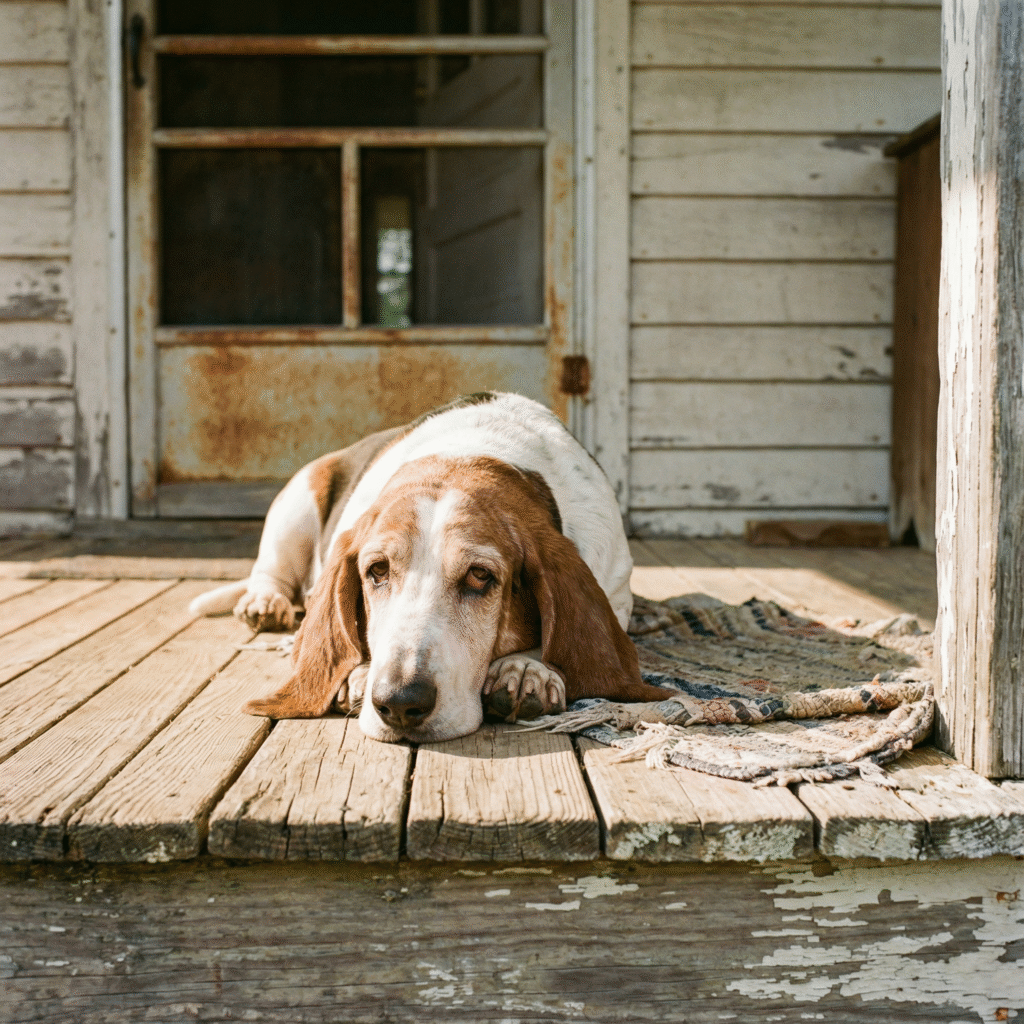
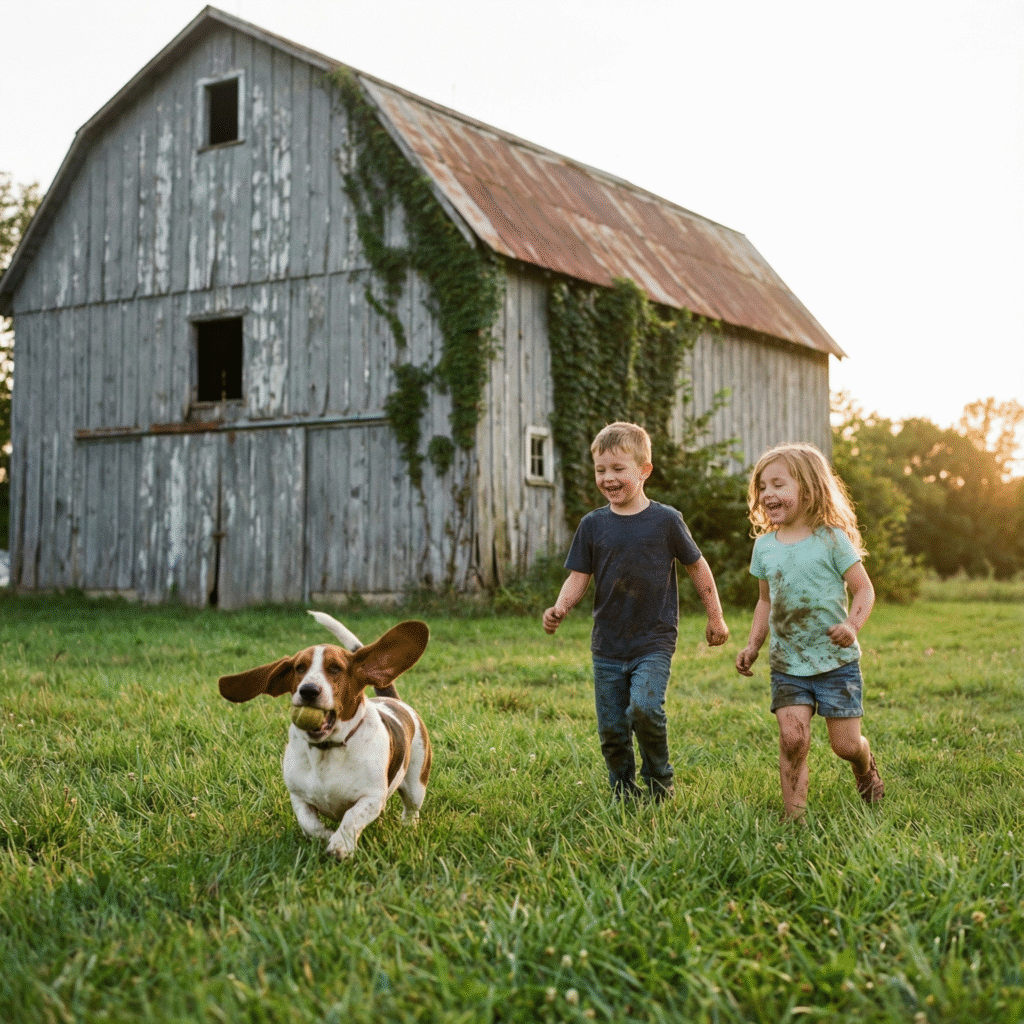
Basset Hounds are one of those breeds you can spot a mile away thanks to their long ears and droopy eyes. These dogs originated in France, bred for hunting due to their exceptional scent-tracking ability. Their history dates back several centuries, but they still hold that noble, hunting dog presence today.

Ever wondered why Basset Hounds have such distinct physiques? Their short legs and lengthy bodies give them a unique look. This stature isn’t just for show—it really helps them stay close to the ground to track scents better. Plus, those long, floppy ears? They’re perfect for sweeping scents towards their highly sensitive noses.

While they may look a bit snooty, don’t be fooled by their aristocratic appearance. Basset Hounds are known for being friendly and sweet-natured. They can be a bit stubborn, sure, but that just adds to their charm, right? With the right amount of patience, these dogs become lovely companions.

There’s a bit of myth-busting to do with these pups. Some folks think Basset Hounds are lazy, but that’s selling them short. Sure, they enjoy a good nap, but they’re also plenty curious and love a little adventure. They can be surprisingly agile hunters, even with those short legs. So, forget the idea that they’re couch potatoes—they’ve got more zest than meets the eye.

Getting to Know Your Basset Hound: Tips for New Owners

Jumping into the world of Basset ownership? You’re in for a rewarding experience. Like any dog breed, Basset Hounds come with their quirks. To keep your furry friend in tip-top shape, regular vet visits are non-negotiable. They can help catch any health issues early, keeping your dog healthy and happy.

Diet’s a big deal, especially for these little guys with their big appetites. Make sure you’re feeding them a balanced diet, one that matches their activity level. Overeating can be a common trap with Bassets, so keep an eye on portion sizes to avoid unwanted weight gain.

When it comes to training, patience is your best friend. These hounds are smart, but their independent streak can make training a test of wills. Consistency is key. Positive reinforcement goes a long way—turning tasks like house training into a fun game can make learning enjoyable for both you and your Basset.

Social butterflies in disguise, Basset Hounds love making new friends. Expose them to different environments, animals, and people from a young age. This boosts their confidence and curbs any unwanted shyness or anxiety they might develop. Keep interactions gentle and positive to foster their naturally friendly demeanor.

Living with a Basset Hound: Reality Vs. Expectation

Owning a Basset Hound can be a delightful experience sprinkled with its fair share of surprises. While they’re known for their laidback demeanor, these dogs also have their own unique set of challenges. It’s common to encounter stubbornness, but with humor and patience, you can laugh off their little antics.

Despite their reputation for being a bit lazy, these hounds do need regular exercise. A couple of leisurely walks a day can do wonders for their physical and mental well-being. They might tire out faster than other breeds, but they still benefit from daily jaunts around the block or playful fetch sessions.

Sometimes, their independent nature leads to behavior quirks. For example, a Basset’s trusty nose might tempt them to explore a little too far from home. Consider investing in a sturdy leash and solid recall training to handle those wanderlust tendencies. This combo keeps them safe while allowing them to indulge their curious side.

Living conditions play a big role in their happiness. Basset Hounds adapt well to different environments but appreciate cozy indoor spaces where they can relax. Make sure they’ve got a comfy spot to call their own. Remember, their short legs may struggle with stairs, so keeping everything on one level can be a big help.

Enhancing Your Basset Hound’s Life: Tips for Enrichment and Bonding

Keeping a Basset Hound entertained goes beyond just daily walks. The right toys can make all the difference. Look for sturdy chew toys or puzzle toys that challenge their mind. This isn’t just about keeping them busy—it’s about stimulating their natural hunting instincts.

Basset Hounds thrive on mental challenges. Simple games like hide-and-seek with treats can be incredibly fun for them. It opens up a new world of exploration while enhancing their problem-solving skills.

Building a strong bond with your Basset is as simple as spending quality time together. Whether it’s a lazy day on the couch or an adventure in the park, your presence is what they cherish most. Eye contact and gentle commands during activities help build trust between you and your pup.

Regular grooming goes a long way toward their well-being, and it’s also a bonding opportunity. Their iconic ears need special attention to prevent infections. Brushing them not only keeps their coat shiny but also gives you both a chance to enjoy some quiet, focused time together.

Beautiful Persian Cats

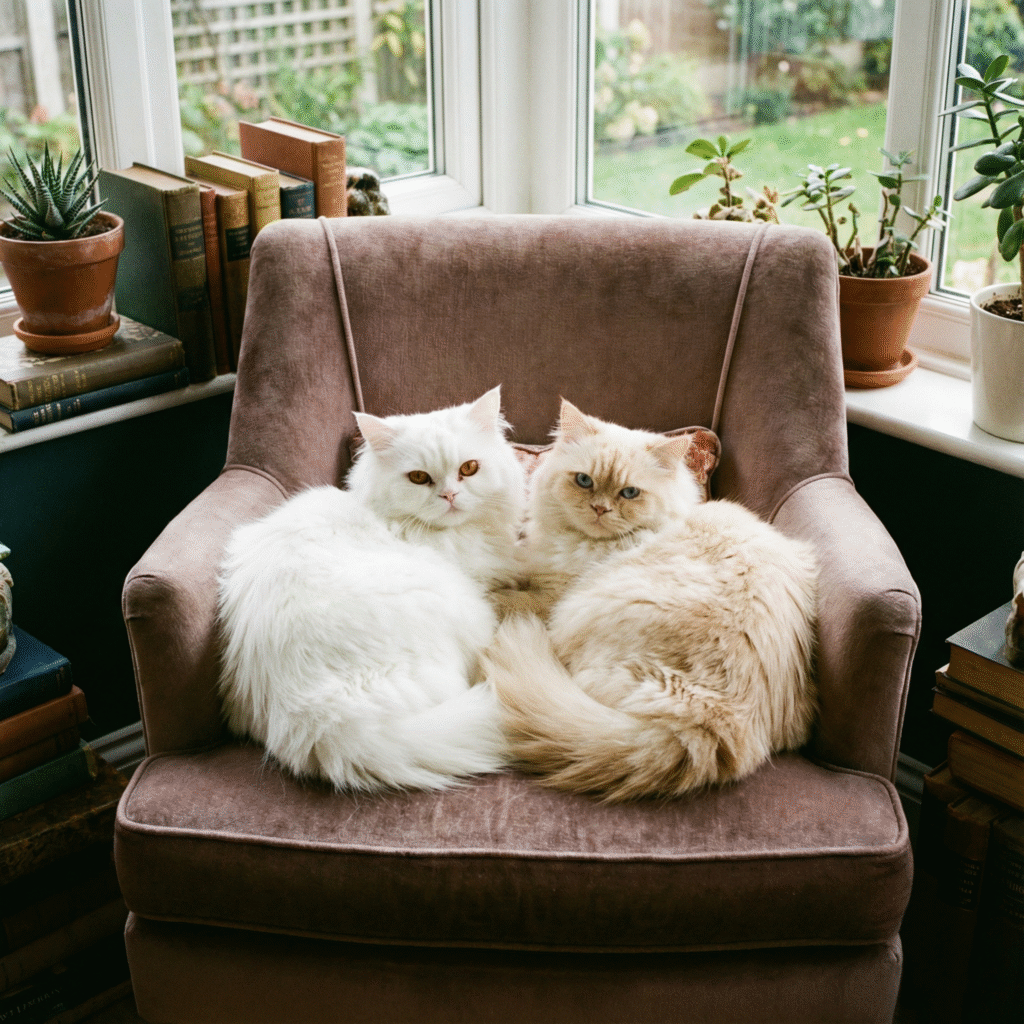
You know those super fluffy cats with the smooshed faces and the regal vibes? Yeah, I’m talking about Persian cats. These cats have been turning heads for ages, literally centuries. Originating from Persia (modern-day Iran), they hit Europe back in the 1600s and quickly became the stars of the cat world.

When it comes to unique looks, Persians are where it’s at. They’ve got that luxurious coat that pretty much demands attention and those big expressive eyes that seem to know all your secrets. One look, and you’re hooked. It’s no wonder they’re a top pick for cat lovers everywhere.

Why are Persian cats such a hit? Besides looking like they’ve got their own movie rights, they’re known for being gentle, loving, and fairly low on the activity scale. Perfect for anyone who’s into chill vibes and cozy snuggles. Plus, they’re pretty adaptable, making them excellent companions for various lifestyles.

There are some myths about these furballs, like they’re divas or high-maintenance. Sure, they like a bit of pampering with their grooming rituals, but that’s part of their charm, right? Treat them with care, and you’ll have a loving friend who’s all about the snuggle life.

Caring for Your Persian Cat: Health and Grooming Tips

Owning a Persian cat comes with a few responsibilities, but don’t stress, it’s all about keeping them looking and feeling fabulous. First up is grooming. Those luxurious coats are a bit of a commitment, needing daily brushing to prevent tangles and matting. It’s like a mini spa session they secretly enjoy, even if they pretend not to.

Let’s talk food. These fluffy friends aren’t too different from other cats when it comes to diet. High-quality cat food packed with the right nutrients is key. Protein is their game, but always keep an eye on their weight—those tiny legs aren’t built for carrying extra pounds.

Watch for common health issues like respiratory problems due to their flat faces and potential kidney troubles. Keep those vet appointments regular to catch anything early. Preventative care is your best buddy here.

Speaking of buddies, chat with your vet about vaccinations and any parasite-prevention options. A well-cared-for Persian is a happy Persian, and it’s all about keeping your fluffball thriving.

Persian Cats and Their Varied Personalities

Persian cats have personalities as unique as their looks, and getting to know them is such a rewarding adventure. Typically, Persians are known for their laid-back and calm demeanor. They’re not the cats you’ll find bouncing off the walls at 3 AM. Nope, they’re more about lounging elegantly and enjoying the finer things in life.

When you bring a Persian cat into your home, you’re in for a world of cozy evenings and soft purrs. It’s not just about you serving them, though they do enjoy a bit of pampering. They’re gentle souls who love attention and affection. It’s all about that mutual respect and understanding.

Helping them socialize is a key part to understanding their personality. Persians may initially seem reserved around strangers, but with a few treats and some gentle coaxing, they warm up and start revealing their playful side. Interactive toys can work wonders in encouraging them to engage and show off their quirks.

And the stories from Persian cat owners? They’re full of surprises. From Persians that act like faithful little shadows, following you from room to room, to those that enjoy their independence but share the sweetest moments when the mood strikes. Owning a Persian is like entering a secret club where every day brings a new delightful chapter.

Choosing and Welcoming a Persian Cat into Your Home

Bringing a Persian cat into your life is a decision that comes with a lot of joy and, okay, a little planning. Before you adopt, think about your living space and lifestyle. Persians thrive in a calm environment, so if your home is often bustling with noise, consider how they’ll fit into that vibe.

Adoption should always be on the table when getting a new pet. There are plenty of Persian cats looking for loving homes. Check out rescue organizations or breed-specific shelters where you can find your perfect fluffy match.

Once your cat is coming home, make sure you’ve got all the essentials ready. A comfortable bed, scratch posts, and a selection of toys can make the transition smoother. Plus, having designated chill zones can help them settle in quicker.

Creating a friendly environment isn’t just about the physical space. It’s also about how you interact. Give them time to explore and adjust at their own pace. They might take a while to feel fully at home, so patience and gentle encouragement are key.

Tapping into Persian cat owner communities can offer tons of support. Online forums and local meet-ups can be perfect places to swap stories and tips. You’re not alone in this pet-parenting journey, and there’s always someone who knows exactly what you’re going through.

Cat Training Techniques

Cats can be a bit of a mystery, right? Before jumping into training, it’s super important to get what makes them tick. Cats are natural hunters with instincts that play a big role in how they behave and respond to training.

Building a trusting bond with your cat is the secret sauce to successful training. Spend time playing, rewarding, and just hanging out with your feline buddy. This strengthens your relationship and sets the stage for effective learning.

There are lots of myths floating around about different cat breeds and how easily they can be trained. Some folks think only certain breeds are smart enough for training, but the truth is, every cat has potential. It’s more about understanding their unique personalities than anything else.

Reading a cat’s body language can really boost your training efforts. Watch for ear twitches, tail flicks, and those little vocal cues. They provide all kinds of hints about how your cat is feeling. Are they relaxed, curious, or maybe a bit stressed? This awareness helps tailor your approach and make training less stressful for both of you.

Fundamental Training Techniques for Cats: Starting Simple

Jumping straight into some training, remember that patience and consistency are your besties here. Cats might not always get things right away, but keep at it with a gentle approach. Every cat learns at their own pace, so hang tight.

Ever tried clicker training? It’s kinda awesome. This method is all about using a little clicking sound to signal to your cat that they’ve done something right. When they associate the click with a reward, they’re more likely to repeat the behavior. So, grab a clicker, some treats, and get going!

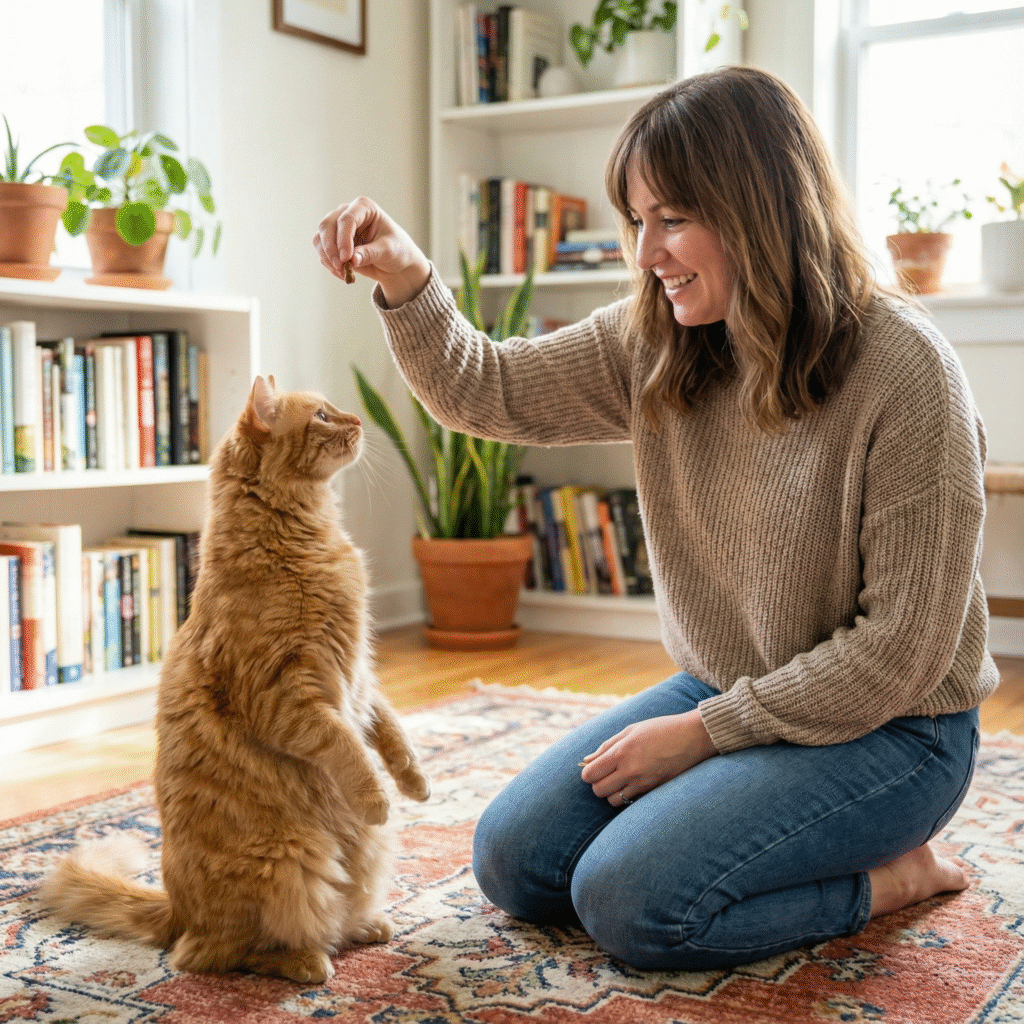
Treats are like magic in the world of cat training. Positive reinforcement is super effective, so keep those tasty rewards handy. Every time your furry friend follows a command or behaves well, toss them a treat. It turns training into a fun game rather than a chore.

Biting and scratching driving you up the wall? You’re not alone! These common issues can be tackled with redirects. Swap a scratch on the couch with a scratching post, or teach them that biting isn’t part of play. Reward them with affection or a snack when they choose the right option—it’s about showing them better alternatives.

Advanced Training: Encouraging Complex Behaviors

Once you’ve nailed the basics, it’s time for some advanced fun with your cat. Step up your training game with target training. It’s a nifty way to guide your cat to specific spots or get them to perform actions like spinning. All you need is a target stick and some treats. Simple as that!

Leash training might sound wild for a cat, but it’s totally do-able and opens up a world of exploration. Start with a comfy harness, let them get used to the feel indoors, and slowly introduce walks in a safe outdoor space. Remember, it’s all about baby steps and keeping things stress-free.

Teaching tricks like high fives or a sit command can be a blast. Keep training sessions short, around 10 minutes max, so your cat doesn’t lose interest. Use their favorite snack as a reward and keep things upbeat with lots of praise. These tricks not only impress your friends but also help keep kitty’s mind sharp.

Creating an enriching environment keeps your cat mentally stimulated and can make training even more effective. Think puzzle feeders, interactive toys, and plenty of vertical space to climb and observe. A happy, engaged cat is way more likely to be responsive during training sessions.

Overcoming Challenges: Navigating Cat Training with Patience

Training cats can sometimes feel like a rollercoaster ride. Expect a few bumps and hiccups along the way. When you hit a wall, take a breather, step back, and reassess your approach. Every cat is different, and what works for one might not work for another.

Empathy is your secret weapon during tough times in training. Cats have their off days too, just like us humans. By being understanding and patient, you help your cat relax and feel safe, which makes learning a lot easier.

Sometimes, traditional methods might not cut it. If you’re stuck, don’t hesitate to reach out for professional help. Cat behaviorists can offer fresh insights and tailor strategies perfectly suited to your furry friend.

Hearing about other successful cat training stories can be super motivating. Maybe a friend turned their chatterbox of a cat into a responsiveness champ, or you read about a timid kitty gaining confidence through clever tricks. These stories remind us that with patience, creativity, and maybe a little humor, breakthroughs are bound to happen.

Amazon Associate receives compensation on qualified purchases

Shop

Christmas Gifts For Dogs

Ever wondered what your furry friend daydreams of under the Christmas tree? Landing the perfect gift begins with taking a moment to really think about your dog’s unique needs and preferences. Your pup’s size, breed, and personality play a huge part in figuring out what would wag their little tails with joy. Does your dog’s heart beat for an exciting game of fetch, or are they more of the “flop-on-the-sofa-with-a-plush-toy” kind of canine?

While gift shopping for your pup might sound like all fun and squeaky toys, there’s a serious side to consider – safety first! Always make sure any toy or treat is made from non-toxic materials, is size-appropriate, and free of small parts that could pose choking hazards. Safety isn’t just a buzzword when it comes to our furry family members.

Choosing age-appropriate toys is another golden rule. Just like kids, dogs at different life stages have different needs. Puppies are all about learning and teething, while older dogs might value a cozy blanket or a gentle chew toy. Think about what will make your dog’s Christmas morning the most magical and fitting for their age and energy level.

Gift Ideas: Toys That Spark Joy and Stimulate

Keeping your pup entertained isn’t just about fun—it’s about making sure they’re mentally and physically stimulated too. Toss in some interactive toys to keep those clever paws and noses busy. Puzzle toys that dispense treats can challenge your dog’s brain while rewarding them for their smarts.

If your furry friend is anything like mine, durable chew toys are a must. Perfect for occupying those powerful jaws and preventing them from turning your favorite shoes into a snack, these toys come in various materials and toughness levels. Always choose something safe and robust enough to withstand those enthusiastic chomps.

For pups who love the thrill of a squeak or enjoy a comforting cuddle, plush toys can be a delightful option. They’re perfect for dogs that prefer softer play or need a buddy to snuggle with during those cozy nap times. Look for toys with reinforced stitching to withstand the love bites and playful tugs of war.

Beyond Toys: Thoughtful and Unique Gifts

Not all gifts come in the form of something to chew or chase. Consider the comfort gifts that provide warmth and coziness during those chilly nights. A new dog bed or a plush blanket can be the perfect present for dogs who love a good nap after a play session.

Let’s talk health. Treats that are both nutritious and delicious are a win-win. Opt for high-quality, healthy treats or supplements that cater to your dog’s dietary needs. These can promote anything from joint health to a shiny coat, ensuring your dog stays active and healthy as they grow.

And for those style-conscious doggos, a new collar or some fashionable apparel can be the cherry on top of a great gift haul. Something as simple as a sleek new collar or even a snazzy winter coat checks the box for practicality and makes your furball stand out at the dog park.

Every dog deserves to be a part of the festive fun, whether it’s through toys, comfort items, or practical gifts. With a little thought and creativity, you can make this Christmas one to remember for your four-legged family member.

Ragdoll Cat

Ragdoll cats have captured the hearts of many with their striking blue eyes and soft, fluffy coats. This breed got its start in California during the 1960s when a Persian-Birman mix named Josephine became the foundation for these charming felines. Known for their large size and gentle nature, Ragdolls have quickly become one of the most sought-after breeds.

One of the first things you might notice about a Ragdoll is their impressive size. These cats can weigh anywhere from 10 to 20 pounds, making them one of the larger breeds around. Their semi-long silky fur doesn’t just add to their elegance; it keeps them looking plush and luxurious. Despite their fluffy appearance, Ragdolls don’t have an undercoat, which means less shedding than you might expect.

What really sets Ragdolls apart is their laid-back personality. These cats are often described as ‘dog-like’ because of their affectionate nature. They love being around people and are known to follow their owners from room to room, sometimes even greeting visitors at the door. This makes them perfect for families or anyone who wants a feline friend that’s less aloof than your typical cat.

In terms of personality, Ragdolls often get compared to breeds like the Maine Coon or the Siberian, but they have a uniquely calm disposition that makes them a favorite among cat lovers. Unlike some cats that prefer solitude, Ragdolls thrive on companionship, which means they are less likely to hide when guests come over.

Living with a Ragdoll Cat: Lifestyle and Care Needs

When you’re sharing your space with a Ragdoll cat, it’s all about understanding their unique needs to ensure they feel at home. These laid-back felines are known for adapting well to different environments, but there are a few things to keep in mind to make their lives comfortable.

Ragdolls do best in homes that offer them plenty of attention and affection. They’re not the kind of cats who like to be left alone for long stretches, so if you’re often away, consider a pet sitter or even adopting another Ragdoll to keep them company.

When it comes to feeding, Ragdolls thrive on a balanced diet rich in protein. It’s crucial to watch their weight since they’re more prone to obesity given their indoor nature and love for lounging. Wet food can be a great addition to ensure they stay hydrated, especially if they’re not big on drinking water.

These majestic cats aren’t high-energy, but they’ll still appreciate a bit of playtime each day to keep them fit. Interactive toys and even a game of fetch can spark their interest and help burn off some calories.

Grooming a Ragdoll is surprisingly low-maintenance, considering their luxurious coat. Regular brushing helps keep shedding in check and prevents matting. A quick grooming session a couple of times a week should do the trick, but don’t forget to check those nails and ears during your grooming routine.

Health Considerations: Ensuring a Happy, Healthy Ragdoll

Keeping your Ragdoll in top shape requires a bit of knowledge about their specific health needs. Like any breed, they’re prone to certain health issues that owners should be aware of to catch problems early and keep everything A-OK.

Some Ragdolls can be prone to hypertrophic cardiomyopathy, a heart condition that’s more common in purebred cats. Regular check-ups with the vet are essential to catch any signs early. Keeping up with vaccinations and dental care rounds off a good healthcare routine.

Managing their weight is key to avoiding obesity-related issues. While they might love lounging around, encouraging play and monitoring their diet helps keep the extra pounds off. Opt for vet-recommended food options that are balanced with enough protein and nutrients.

Keep an eye out for any changes in behavior, appetite, or energy levels. Early intervention can make a significant difference if something seems off. As any seasoned cat owner will tell you, knowing your pet’s usual antics makes spotting the unusual so much easier.

Fostering a Bond: Building a Relationship with Your Ragdoll Cat

Getting to know your Ragdoll’s unique communication style is key to building a strong bond. These cats often communicate through gentle vocalizations, body language, and those expressive eyes. Meeting them halfway by responding to these cues helps form a closer connection.

Training a Ragdoll can be a rewarding experience thanks to their intelligent and curious nature. With a little patience, you can teach them simple commands or tricks. Positive reinforcement goes a long way, so keep things upbeat and rewarding with treats and praise.

Providing mental stimulation through interactive toys or puzzle feeders keeps them engaged and happy. Ragdolls love a challenge, and creating exciting experiences is great for their well-being.

Spending quality time is what strengthens the bond with your Ragdoll. Whether it’s a cozy afternoon nap together or a playful session of gentle chasing games, these shared moments make all the difference in nurturing a loving relationship. Every minute spent together is an investment into a deeper, more fulfilling connection.

Amazon Associate receives compensation for qualified purchases

Shop Amazon